
The bright colors and fresh aromas of springtime all land in one dish with this Healthy Vegetable Pasta Primavera Recipe. It’s a vibrant celebration of vegetables and comfort, all tossed together in a luscious, creamy sauce that feels indulgent without weighing you down. Trust me, this one’s a kitchen favorite for a reason.

Jump to:
Why You'll Love This Recipe
I first made this Healthy Vegetable Pasta Primavera Recipe on a busy weeknight and was amazed by how quickly it came together, all while packing in so much fresh flavor. It's the kind of meal that feels fancy but is actually easy and forgiving to prepare.
- Loaded with fresh veggies: Bright broccoli, tender asparagus, sweet tomatoes, and more create a colorful, nutrient-packed plate.
- Creamy yet light sauce: The mix of heavy cream and chicken broth makes the sauce silky without being too heavy.
- Versatile and customizable: You can easily swap or add vegetables based on what’s in season or your preferences.
- Simple pantry ingredients: Most of the ingredients are things you likely have on hand, plus those lovely fresh veggies.

Ingredients & Why They Work
This mix of veggies and pasta creates a perfect balance of textures and tastes. The combination of creamy sauce with a squeeze of fresh lemon and grated Parmesan makes for a flavor profile that’s both comforting and bright. When shopping, look for fresh, firm vegetables and freshly grated Parmesan—trust me, it makes all the difference.

- Cavatappi (or short pasta): Its spiral shape holds the sauce well, but penne, fusilli, or orecchiette work beautifully too.
- Extra virgin olive oil: Use good quality for sautéing veggies and creating a flavorful base.
- Red onion: Adds a mild sweetness and subtle bite to the dish.
- Broccoli florets: Brings a bit of crunch and vibrant green color.
- Yellow squash and zucchini: They soften quickly, adding a gentle sweetness and texture.
- Asparagus: Adds a fresh, slightly grassy flavor that elevates primavera.
- Red bell pepper: Provides mild sweetness and color contrast.
- Cherry tomatoes: Their juiciness bursts with flavor, balancing the creamy sauce.
- Garlic: A must-have aromatic that grounds the flavors.
- Red pepper flakes: Just a little heat to brighten the dish.
- Heavy cream (or evaporated milk): Creates that rich, luscious sauce texture.
- Chicken broth: Adds depth and savory notes to the sauce.
- Cornstarch: Helps thicken the sauce to the perfect consistency without heaviness.
- Dried oregano, parsley, and thyme: Classic Italian herbs that add herbal warmth.
- Lemon juice: A splash of brightness to keep things fresh.
- Parmesan cheese: Use freshly grated for that nutty, salty flavor and beautiful melt.
- Frozen petite peas: Sweet pops of green that finish the dish.
- Fresh basil: Adds aromatic freshness right before serving.
Make It Your Way
I love tweaking this Healthy Vegetable Pasta Primavera Recipe depending on what veggies I have around or what’s in season. It’s perfect for playing with flavors and textures, so don’t be afraid to personalize it to your taste.
- Variation: Adding grilled chicken or shrimp turns this into a heartier meal, but I usually reduce the veggies slightly to keep everything balanced.
- Vegetarian option: Use vegetable broth instead of chicken broth for a fully plant-based version.
- Seasonal swaps: Swap asparagus for green beans in summer or add roasted butternut squash in fall for a cozy twist.
- Spice level: If you prefer less heat, reduce red pepper flakes or omit altogether.
Step-by-Step: How I Make Healthy Vegetable Pasta Primavera Recipe
Step 1: Cook Pasta to Perfection
Start by boiling your pasta in salted water according to the package directions, but I always test it a couple minutes early for that perfect al dente bite — not too soft, not too firm. Before draining, save about half a cup of the pasta water; it’s pure gold for adjusting the sauce consistency later.
Step 2: Sauté the Veggies Just Right
Heat 3 tablespoons of olive oil in a large deep pan over medium-high heat. Toss in the red onions and broccoli first—these take a bit longer. After 3 minutes, add in the yellow squash, zucchini, asparagus, bell pepper, and cherry tomatoes. Season lightly with salt and pepper. Sauté for about 2 minutes until veggies are tender-crisp. The trick here is to cook them so they keep that fresh crunch — set a timer to avoid mushy veggies. Then, transfer everything to a bowl and set aside.
Step 3: Whip Up the Creamy Herb Sauce
In the same skillet, add 1 tablespoon of olive oil over medium heat. Toss in minced garlic and red pepper flakes, sautéing just 30 seconds until fragrant. Turn the heat down low, pour in the heavy cream, then whisk together chicken broth and cornstarch before adding it all to the pan. Sprinkle in oregano, parsley, thyme, and a pinch of salt. Bring the sauce to a gentle simmer and cook for about 3 to 5 minutes until it thickens beautifully. Stir in half a cup of Parmesan cheese until it melts, then add the lemon juice, thawed peas, and fresh basil. Let it all warm through gently.
Step 4: Combine Everything
Time to bring it all together! Stir the sautéed vegetables into the creamy sauce, then fold in your pasta. If the sauce feels too thick, add reserved pasta water a little at a time to loosen it up (though I often find I don’t need any). Give it a final taste and adjust salt and pepper. Serve it with an extra sprinkle of Parmesan on top — it’s like the cherry on a savory sundae.
Top Tip
Through making this Healthy Vegetable Pasta Primavera Recipe dozens of times, I’ve learned a few key tricks that truly elevate the end result and keep you from common pitfalls.
- Don’t overcook the veggies: Using a timer to keep your vegetables tender-crisp keeps the pasta primavera vibrant and fresh.
- Test pasta early: I always check pasta 2 to 3 minutes before the suggested time to avoid mushy noodles.
- Use freshly grated Parmesan only: It melts so much better and adds much richer flavor than pre-shredded or powdered cheese.
- Choose a large pan or Dutch oven: You’ll need space to sauté veggies and toss the pasta all together without crowding.
How to Serve Healthy Vegetable Pasta Primavera Recipe

Garnishes
I usually finish off with extra freshly grated Parmesan and a handful of chopped fresh basil — it brightens the flavors and adds that irresistible aroma. Sometimes, I like a sprinkle of toasted pine nuts for crunch or a drizzle of good olive oil to make it extra luscious.
Side Dishes
This primavera pairs wonderfully with a crisp side salad dressed in lemon vinaigrette or some crusty garlic bread, perfect for mopping up every last bit of sauce. Roasted or grilled chicken also works if you want something more substantial.
Creative Ways to Present
For special occasions, I sometimes serve this in pretty shallow pasta bowls, topped with edible flowers or microgreens for extra flair. Individual ramekins baked briefly with a sprinkling of Parmesan and breadcrumbs create a lovely crust — a delightful twist on classic primavera.
Make Ahead and Storage
Storing Leftovers
Leftovers of this Healthy Vegetable Pasta Primavera Recipe reheat beautifully. I store mine in airtight containers in the fridge and it lasts up to five days. Make sure the pasta isn’t overcooked initially to keep it from becoming mushy after reheating.
Freezing
I’ve tried freezing this pasta primavera, and while the veggies soften a bit upon thawing, it still tastes great for a quick meal. Freeze in portion-sized containers, then thaw in the fridge before reheating gently on the stove.
Reheating
To reheat, I add a splash of milk or water to loosen the sauce and warm it slowly over medium-low heat, stirring often. You can also microwave, using short bursts with stirring in between to avoid drying out. Fresh basil goes in after reheating to keep its brightness.
Frequently Asked Questions:
Absolutely! Simply swap the heavy cream for a plant-based cream like coconut or cashew cream, use vegetable broth instead of chicken broth, and replace Parmesan with a vegan cheese alternative or nutritional yeast for that savory bite.
Short pasta shapes like cavatappi, penne, fusilli, or orecchiette are perfect because their nooks and curves hold onto the sauce and bits of vegetables wonderfully.
Yes! Cook pasta al dente, toss with a bit of oil, and store separately from the sautéed vegetables and sauce components. Combine and reheat when ready to serve for the best texture.
The key is to cook vegetables until just tender-crisp. Use a timer and don’t crowd the pan to ensure even cooking. The veggies should retain a little bite to bring texture and freshness to the dish.
Final Thoughts
This Healthy Vegetable Pasta Primavera Recipe always hits the spot when I want something light yet satisfying, fresh but a bit indulgent. It’s a recipe I keep coming back to because it feels like a hug on a plate – nourishing, colorful, and bursting with flavor. I hope you enjoy making it as much as I do — it’s a wonderful way to bring a little springtime joy to your table any time of year.
Print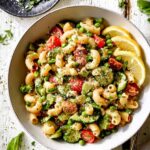
Healthy Vegetable Pasta Primavera Recipe
- Prep Time: 15 minutes
- Cook Time: 15 minutes
- Total Time: 30 minutes
- Yield: 6 servings
- Category: Main Course
- Method: Stovetop
- Cuisine: Italian
- Diet: Vegetarian
Description
Pasta Primavera is a vibrant and flavorful pasta dish featuring tender al dente pasta, a medley of crisp vegetables, and a creamy Parmesan sauce with herbs and a hint of lemon for a fresh finish. Perfect for a light yet satisfying meal.
Ingredients
Pasta
- 12 oz. cavatappi or other short pasta such as penne, fusilli, or orecchiette
Vegetables
- ½ medium red onion chopped
- 2 cups broccoli florets cut into 1-inch pieces
- 1 medium yellow squash sliced and quartered
- 1 medium zucchini sliced and quartered
- 8 oz asparagus trimmed, cut into 1 ½-inch pieces
- 1 medium red bell pepper chopped
- 1 ½ cup cherry tomatoes halved
- 1 ½ cups frozen petite peas thawed
- ¼ cup fresh basil chopped
Sauce and Seasoning
- 4 tablespoons extra virgin olive oil divided
- Salt and pepper to taste
- 4 cloves garlic minced
- ¼ teaspoon red pepper flakes
- 1 cup heavy cream (may substitute evaporated milk)
- 1 ½ cups chicken broth
- 1 tablespoon cornstarch
- 1 ½ teaspoon dried oregano
- 1 ½ teaspoon dried parsley
- ½ teaspoon dried thyme
- 2 tablespoons lemon juice
- ¾ cup freshly grated Parmesan cheese divided
Instructions
- Cook Pasta: Bring a large pot of salted water to a boil. Cook the pasta according to package directions until al dente. Reserve ½ cup of the pasta water, then drain the pasta and set aside.
- Sauté Vegetables: Heat 3 tablespoons of olive oil in a large deep saucepan or skillet over medium-high heat. Add the chopped red onion and broccoli florets; sauté for 3 minutes until starting to soften but still crisp.
- Add More Vegetables: Add yellow squash, zucchini, asparagus, red bell pepper, and cherry tomatoes to the pan. Season with ¼ teaspoon salt and ¼ teaspoon pepper. Continue sautéing for 2 minutes until vegetables are tender-crisp. Transfer the vegetables to a large bowl and set aside.
- Prepare Sauce Base: In the now empty skillet, heat remaining 1 tablespoon olive oil over medium heat. Add minced garlic and red pepper flakes, sautéing for 30 seconds until fragrant. Reduce heat to low and pour in heavy cream.
- Thicken Sauce: Whisk chicken broth together with cornstarch until smooth, then add to skillet along with dried oregano, parsley, thyme, and ¼ teaspoon salt. Bring sauce to a simmer and cook for 3 to 5 minutes until it thickens.
- Add Cheese and Lemon: Lower heat and stir in ½ cup freshly grated Parmesan cheese until melted. Add lemon juice, then stir in thawed peas and chopped fresh basil, warming through gently.
- Combine and Finish: Stir sautéed vegetables into the sauce followed by the cooked pasta. Add reserved pasta water gradually if needed to adjust consistency. Taste and season with additional salt and pepper if required.
- Serve: Garnish with remaining ¼ cup Parmesan cheese and serve immediately for best flavor and texture.
Notes
- Do not overcook vegetables; they should be tender-crisp for the best texture and flavor.
- Test pasta a few minutes before package time for perfect al dente.
- Use a large enough pot or pan to accommodate all vegetables and pasta comfortably without crowding.
- Feel free to substitute or add a variety of vegetables for color, flavor, and texture.
- Using fresh Parmesan cheese is essential for a creamy, flavorful sauce.
- You can adjust how much the tomatoes burst by cooking them less or more according to preference.
- Lemon juice can be varied to your taste to add brightness to the dish.
- Store leftovers in an airtight container in the refrigerator up to five days. Reheat gently adding milk or water to loosen the sauce.
- Prepping components ahead can save time: cook pasta al dente and toss with oil, chop vegetables and herbs separately, and grate cheese in advance.
Nutrition
- Serving Size: 1 serving
- Calories: 420 kcal
- Sugar: 6 g
- Sodium: 480 mg
- Fat: 18 g
- Saturated Fat: 8 g
- Unsaturated Fat: 9 g
- Trans Fat: 0 g
- Carbohydrates: 50 g
- Fiber: 6 g
- Protein: 15 g
- Cholesterol: 50 mg



Leave a Reply