
There’s something utterly satisfying about those glossy, flavorful strands of noodles you get at hibachi grills, and that’s exactly what makes this Hibachi Noodles Recipe a must-try at home. It’s quick, packed with a perfect balance of savory and sweet, and delivers that restaurant-style joy every time.

Jump to:
Why You'll Love This Recipe
I absolutely love making hibachi noodles at home because it's one of those dishes that feels indulgent but comes together in under 30 minutes. Plus, it’s incredibly versatile—you can tweak it to suit your mood or what’s in the fridge.
- Fast and Simple: This hibachi noodles recipe is ready from start to finish in less than 40 minutes, perfect for busy weeknights.
- Flavor Balance: The combination of savory soy, toasty sesame, and a touch of brown sugar creates that crave-worthy glaze.
- Customizable: You can add your favorite protein, vegetables, or spice it up with chili flakes for a personal twist.
- Restaurant Quality at Home: This recipe nails the texture and taste of hibachi noodles without needing a hibachi grill or fancy equipment.
Ingredients & Why They Work
These ingredients play perfectly off each other—simple but impactful. The noodles act as a blank canvas, the soy sauce and brown sugar create a luscious sauce, and the garlic and ginger bring that warm, aromatic punch you want from hibachi dishes.

- Noodles (Yakisoba, Lo Mein, or Spaghetti): Choose your favorite, but yakisoba or lo mein cook up with the best texture; spaghetti works in a pinch.
- Low-sodium Soy Sauce: This keeps the sauce flavorful without overwhelming saltiness so you can control the taste.
- Sesame Oil: Adds that classic nutty aroma essential to hibachi-style cooking.
- Light Brown Sugar: Balances savory notes with just a hint of sweetness, forming a nice glaze.
- Minced Garlic: Fresh garlic adds a punch of flavor that's robust and inviting.
- Minced Ginger: Gives a clean, slightly spicy freshness that brightens the dish.
- Unsalted Butter: Provides richness and helps crisp up the noodles lightly for texture contrast.
- Toasted Sesame Seeds (Garnish): A subtle crunch that finishes off the noodles beautifully.
Make It Your Way
One of the things I love most about this Hibachi Noodles Recipe is how easy it is to personalize. You can add proteins like chicken, shrimp, or tofu right in with the noodles, or toss in some crunchy veggies like scallions, bell peppers, or snap peas for a pop of color and texture.
- Vegetarian Variation: I often add sautéed mushrooms, broccoli, and shredded carrots for a tasty veggie-packed version that everyone enjoys.
- Spicy Kick: Sometimes I sprinkle a little chili garlic sauce or red pepper flakes into the sauce—a quick way to dial up the heat that balances perfectly with the sweet-salty glaze.
- Gluten-Free: Using gluten-free soy sauce and rice noodles instead of yakisoba lets you keep this recipe friendly for gluten sensitivities without losing flavor.
Step-by-Step: How I Make Hibachi Noodles Recipe

Step 1: Perfectly Cook Your Noodles
I always cook my noodles just shy of al dente—think "almost there." This way, when you toss them in the pan and coat with sauce, they finish cooking and soak up that delicious flavor without getting mushy. Drain them well to avoid any watery sauce.
Step 2: Whisk Together the Sauce
While your noodles boil, get your sauce going by combining the soy sauce, sesame oil, brown sugar, garlic, and ginger in a bowl. Whisk it until the sugar dissolves and everything blends—this sauce is where the magic begins.
Step 3: Sauté Noodles in Butter
Melt butter in a large nonstick skillet over medium-high heat, then add the cooked noodles. Let them sit a bit to develop slight golden spots—this caramelization adds that classic hibachi char and extra flavor.
Step 4: Combine Noodles and Sauce
Pour the sauce over the noodles and toss well, making sure every strand gets coated. Keep cooking for a couple more minutes so the noodles absorb the flavors and the sauce thickens slightly, creating that irresistible glaze.
Step 5: Garnish and Serve
Finish with a sprinkle of toasted sesame seeds for texture and that nutty aroma. Serve hot—trust me, these noodles are best enjoyed fresh off the skillet!
Top Tip
I’ve learned a few things over many tries that really help nail this hibachi noodles recipe every time. It’s all about timing and balance.
- Don’t Overcook the Noodles: Leaving the noodles slightly firm initially means they won’t turn mushy after tossing with sauce.
- High Heat Sautéing: Use medium-high heat to get those tasty golden spots on the noodles, boosting flavor significantly.
- Toss Gently but Thoroughly: Mix the noodles with sauce carefully so every piece is coated without breaking up your noodles.
- Butter Quality Matters: Using real unsalted butter (not margarine) gives the best mouthfeel and richness.
How to Serve Hibachi Noodles Recipe

Garnishes
I always top mine with toasted sesame seeds for that subtle crunch and a sprinkle of thinly sliced green onions to add color and a bit of fresh bite. Sometimes I add a light drizzle of sriracha mayo for a spicy, creamy kick—yum!
Side Dishes
This dish plays beautifully alongside classic hibachi sides like grilled vegetables (think zucchini, mushrooms, and yellow squash), fried rice, or even a simple seaweed salad to keep things light and fresh.
Creative Ways to Present
For a special occasion, I’ve served these noodles in individual cast-iron skillets right at the table—super fun and keeps them warm longer. You can also pile them high and garnish with an ornate sprig of cilantro or a wedge of lime for a lovely contrast.
Make Ahead and Storage
Storing Leftovers
I store leftovers in an airtight container in the fridge, and they usually keep well for up to 3 days. Just be sure to cool them completely before sealing to avoid sogginess.
Freezing
Freezing hibachi noodles is doable but I’ve found the texture changes a bit, getting softer after thawing. If you want to freeze, portion into freezer-safe containers and thaw overnight in the fridge before reheating gently.
Reheating
To reheat, I toss leftover noodles into a hot nonstick skillet with a small drizzle of sesame oil or butter to revive their flavor and texture. Microwave works in a pinch but can sometimes make noodles a bit soggy.
Frequently Asked Questions:
Absolutely! While yakisoba or lo mein noodles give that authentic texture, regular spaghetti is a handy substitute and will soak up the flavors nicely if cooked just right.
Cooking the noodles just shy of al dente and rinsing them briefly under cold water helps stop sticking. Also, tossing them with a little sesame oil before cooking with butter creates a slippery barrier so they separate nicely.
Definitely! This recipe is a fantastic base to throw in grilled chicken, shrimp, tofu, or veggies like bell peppers, carrots, and snap peas. Add them when sautéing the noodles for a one-pan meal.
Store leftover noodles in an airtight container in the fridge for up to 3 days. Reheat in a skillet over medium heat with a touch of oil or butter to refresh the flavors and texture. Avoid microwaving if you want to keep them from getting soggy.
Final Thoughts
This Hibachi Noodles Recipe has become a staple in my kitchen because it’s quick, satisfying, and endlessly customizable. I hope you give it a go and find yourself loving it as much as I do—there’s just something magical about whipping up that perfect hit of hibachi flavors right at home. Grab that skillet, and let’s make some noodles!
Print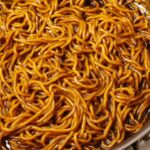
Hibachi Noodles Recipe
- Prep Time: 15 minutes
- Cook Time: 20 minutes
- Total Time: 35 minutes
- Yield: 4 servings
- Category: Main Course
- Method: Stovetop
- Cuisine: Japanese
Description
Hibachi Noodles are a flavorful and easy-to-make dish inspired by Japanese hibachi-style cooking. Featuring tender noodles tossed in a savory sauce made with soy sauce, sesame oil, garlic, ginger, and brown sugar, this recipe delivers restaurant-quality taste right at home. Quickly cooked in butter and garnished with toasted sesame seeds, these noodles make a perfect side or main dish for any dinner.
Ingredients
Noodles
- 1 lb yakisoba, lo mein, or spaghetti noodles
Sauce
- ½ cup low-sodium soy sauce
- 1 tablespoon sesame oil
- 2 tablespoons packed light brown sugar
- 1 tablespoon minced garlic
- 1 tablespoon minced ginger
For Cooking and Garnish
- 2 tablespoons unsalted butter
- 1 tablespoon toasted sesame seeds (for garnish)
Instructions
- Cook the noodles: Bring a large pot of water to a boil and cook the noodles just before they are completely soft or al dente, leaving them with a slight bite. Drain the noodles and set them aside.
- Prepare the sauce: In a medium bowl, whisk together the low-sodium soy sauce, sesame oil, light brown sugar, minced garlic, and minced ginger until well combined.
- Melt butter in skillet: Heat a large nonstick skillet over medium-high heat and add the unsalted butter. Allow it to melt completely and start to bubble.
- Cook the noodles: Add the cooked noodles into the skillet and cook, stirring occasionally, to get a slight golden coloring on the noodles, about 3-4 minutes.
- Add the sauce: Pour the prepared sauce over the noodles and toss thoroughly to combine the flavors well. Continue cooking for another 2 to 3 minutes to allow the sauce to meld with the noodles.
- Garnish and serve: Remove the noodles from heat and sprinkle the toasted sesame seeds on top. Serve immediately and enjoy your hibachi noodles!
Notes
- Use yakisoba or lo mein noodles for the most authentic texture, but spaghetti or other wheat noodles can be a suitable substitute.
- Adjust the soy sauce amount for salt preference or to make it gluten free by using tamari.
- For a spicier version, add red pepper flakes or a dash of chili oil while cooking the sauce.
- To add protein, serve with grilled chicken, shrimp, or tofu on the side or mixed in.
- Make sure not to overcook the noodles initially to prevent them from becoming mushy during the final skillet cooking step.
Nutrition
- Serving Size: 1 serving
- Calories: 350 kcal
- Sugar: 7 g
- Sodium: 700 mg
- Fat: 12 g
- Saturated Fat: 5 g
- Unsaturated Fat: 6 g
- Trans Fat: 0 g
- Carbohydrates: 50 g
- Fiber: 2 g
- Protein: 8 g
- Cholesterol: 15 mg


Leave a Reply