
There's something magically simple about butter, sugar, and flour coming together to make melt-in-your-mouth treats that keep you coming back for one more. This Homemade Shortbread Cookies Recipe is exactly that kind of comfort food—classic, buttery, and utterly irresistible.

Jump to:
Why You'll Love This Recipe
After making countless batches of shortbread over the years, I can say this Homemade Shortbread Cookies Recipe really hits the sweet spot between buttery richness and delicate crumb. It’s simple enough for any home baker but refined enough to impress.
- Perfect buttery texture: Achieves that tender, melt-in-your-mouth feel that’s the hallmark of great shortbread.
- Easy to make: Uses pantry staples and a straightforward process that doesn’t require fancy equipment.
- Customizable: You can add flavors or toppings, but even straightforward, it’s delightful as is.
- Great for any occasion: Casual snack or fancy tea-time treat, these cookies are reliable crowd-pleasers.

Ingredients & Why They Work
The magic of this Homemade Shortbread Cookies Recipe lies in simple ingredients that each play a key role. I always suggest using quality butter because it shows up in flavor and texture. Here’s a quick rundown:

- Salted Butter: I prefer European-style salted butter like Kerrygold for its creamy richness and perfect balance of salt—helps deepen flavor.
- Granulated Sugar: Adds sweetness and a slight crunch especially when sprinkled on top after baking.
- Vanilla Bean Paste or Extract: A touch of vanilla lifts the flavor unmistakably. I love the speckled look of vanilla bean paste.
- All-Purpose Flour: This acts as the structure but doesn’t weigh down the cookie.
- Powdered Sugar: Introduces subtle sweetness and helps with that fine crumb texture.
- Cornstarch: Adds tenderness, so the shortbread isn’t tough or dry.
- Salt: Balances sweetness and enhances all other flavors, especially important if using unsalted butter.
Make It Your Way
Shortbread is deceptively versatile. Over time, I’ve experimented with subtle tweaks that really make the recipe feel personal—whether that’s playing with infused salts or adding a hint of citrus zest. I encourage you to find your own twist once you’re comfortable with the basics.
- Variation: Adding a teaspoon of finely grated lemon or orange zest brightens the cookie beautifully—I love this for spring and summer baking.
Step-by-Step: How I Make Homemade Shortbread Cookies Recipe
Step 1: Get Everything Ready & Cream the Butter Sugar Mix
I usually start by lining a 9×13-inch metal baking pan with parchment paper—makes it so much easier to remove the cookies later. Then, I cream together the softened salted butter, granulated sugar, and vanilla bean paste for about two minutes. Pro tip: scrape down the sides halfway through to make sure it’s evenly mixed and nice and fluffy.
Step 2: Whisk Dry Ingredients Separately
While the butter is softening, I whisk together the flour, powdered sugar, cornstarch, and salt in a separate bowl. Doing this beforehand means less mess when it’s time to combine—and you’ll avoid clumps.
Step 3: Gently Combine and Press into Pan
Add the flour mixture to the butter mixture in three parts, mixing gently just until it’s incorporated. The dough will be soft and slightly crumbly but that’s exactly what you want! Then, press it evenly into the pan—you can use your hands or the back of a spatula. Once it’s nicely packed, prick the surface all over with a fork. This little step releases steam while baking, so your shortbread stays perfectly flat and doesn’t puff up.
Step 4: Chill, Bake, and Sugar Top
Pop the pan into the fridge for about 30 minutes to firm up the dough. When you’ve got about 15 minutes left, preheat your oven to 325°F. Bake it for 40 to 45 minutes until the edges start to turn a soft golden brown. The smell fills the kitchen—one of my favorite moments! Right after it comes out, sprinkle granulated sugar on top to add a bit of sparkle and crunch as it cools.
Step 5: Cool and Cut with Care
Transfer the pan to a wire rack and carefully cut the shortbread into squares while it’s still warm but cool enough to handle. I usually don’t press too hard to avoid cutting the parchment or damaging the pan. Once fully cool, lift the entire sheet out, and enjoy those buttery squares.
Top Tip
Over the years, I’ve learned a few little things that make a big difference when you bake this Homemade Shortbread Cookies Recipe. They helped me get consistent, picture-perfect bars every time, and I’m confident they’ll help you too.
- Use softened butter, not melted: Soft butter creams well with sugar giving that tender texture rather than greasy or tough.
- Don’t overmix once flour is added: Just combine until no streaks appear; mixing too much develops gluten and makes cookies firm.
- Chill before baking: This step tightens the dough, stops spreading, and helps achieve a uniform, buttery bite.
- Cut gently when warm: Warm shortbread cuts easily without cracking; wait too long and it can crumble more.
How to Serve Homemade Shortbread Cookies Recipe

Garnishes
I usually keep garnishes simple—just a sprinkle of granulated sugar right out of the oven for a bit of sparkle and crunch. Sometimes I dust powdered sugar over chilled shortbread for that elegant, snowy look. For a special touch, dipping one side in melted dark chocolate never fails to impress guests.
Side Dishes
These cookies pair beautifully with a hot cup of tea or coffee—perfect for afternoon chats. I also love serving them alongside fresh berries or a bowl of lightly whipped cream to balance richness.
Creative Ways to Present
For holiday parties, I arrange shortbread squares on a decorative platter layered with parchment and add sprigs of rosemary or edible flowers for a festive look. Wrapping individual cookies in cellophane tied with rustic twine makes a charming homemade gift.
Make Ahead and Storage
Storing Leftovers
I store leftover shortbread in an airtight container at room temperature. It keeps perfectly fresh for up to a week, with that tender, crumbly texture intact if you resist the urge to snack on them all immediately!
Freezing
I’ve successfully frozen both the dough and baked shortbread. For dough, wrap well in plastic and freeze up to a month—thaw overnight before pressing and baking. For baked shortbread, individually wrap squares and freeze in a sealed bag up to two months. Just thaw at room temperature before serving.
Reheating
Sometimes I like to warm a shortbread square in a low oven (about 275°F) for 5–7 minutes to refresh that fresh-baked feeling. You can also pop a piece in the microwave for 10 seconds if you’re in a hurry—though the oven method preserves texture better.
Frequently Asked Questions:
Yes! If you use unsalted butter, just add an extra ¼ teaspoon of salt to the dry ingredients to keep the flavor balanced as intended.
Make sure not to overmix the dough once you add the flour; mix just until combined to avoid developing gluten. Also, chilling the dough before baking helps it hold together better.
Absolutely! Citrus zest, finely chopped nuts, or a sprinkle of sea salt on top are lovely additions. Just keep mix-ins minimal to maintain the classic shortbread texture.
Cut the shortbread while it’s still warm but cool enough to handle, and use a sharp knife. Press gently so you don’t tear the parchment or the bars. This helps achieve clean, even edges.
Final Thoughts
There’s a reason I return to this Homemade Shortbread Cookies Recipe time and again—it’s reliable, comforting, and downright delicious. Sharing these buttery squares with friends has created some of my warmest memories, and I’m excited for you to experience that too. Give it a try, have fun with it, and enjoy every crumb.
Print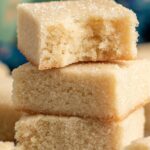
Homemade Shortbread Cookies Recipe
- Prep Time: 15 minutes
- Cook Time: 45 minutes
- Total Time: 2 hours
- Yield: 24 cookies
- Category: Dessert
- Method: Baking
- Cuisine: British
- Diet: Vegetarian
Description
This classic Shortbread recipe yields buttery, tender cookies with a delicate crumb and subtle vanilla flavor. Perfectly crisped edges and a smooth, rich texture make it an ideal treat for any occasion.
Ingredients
Shortbread
- 2 cups salted butter 454g, softened
- 1 cup granulated sugar 225g, plus more for topping
- 1 tablespoon vanilla bean paste or extract
- 5 cups all-purpose flour 670g, spooned and leveled
- ⅓ cup powdered sugar 45g
- 2 tablespoons cornstarch 18g
- ¼ teaspoon salt
Topping
- 2 tablespoons granulated sugar or more if desired
Instructions
- Prepare the baking pan: Line a 9×13-inch metal baking pan with parchment paper and set it aside for easy removal of the shortbread after baking.
- Cream butter and sugar: In a large mixing bowl, cream together 2 cups softened salted butter, 1 cup granulated sugar, and 1 tablespoon vanilla bean paste for 2 minutes, scraping down the sides of the bowl about halfway through to ensure even mixing.
- Mix dry ingredients: In another large bowl, whisk together 5 cups all-purpose flour, ⅓ cup powdered sugar, 2 tablespoons cornstarch, and ¼ teaspoon salt until fully combined.
- Combine mixtures: Add the dry flour mixture to the butter mixture in three additions, mixing each time just until incorporated. The dough will be slightly crumbly but should hold together when pressed.
- Press dough into pan: Transfer the dough to the prepared pan and press it evenly across the bottom to form a uniform thickness.
- Prick dough: Use a fork to prick the surface all over. This helps release steam during baking and prevents air bubbles from forming.
- Chill dough: Place the pan in the refrigerator and chill the dough for 30 minutes to help it firm up before baking.
- Preheat oven: With 15 minutes remaining on the chill time, preheat the oven to 325°F to ensure it's ready for baking.
- Bake shortbread: Bake the chilled dough for 45 minutes until the top and edges are just starting to turn golden brown.
- Add topping: Immediately after removing the shortbread from the oven, sprinkle 2 tablespoons granulated sugar evenly over the surface for a sweet, crunchy finish.
- Cool and cut: Transfer the pan to a wire rack and let cool slightly. Using a sharp knife, gently cut the shortbread into 24 squares while still warm to avoid cracking or damaging the parchment.
- Final cooling: Allow the shortbread to cool completely in the pan before lifting out the parchment and serving.
Notes
- If using unsalted butter instead of salted, add ¼ teaspoon additional salt to compensate.
- European-style butter such as Kerrygold or Finlandia is recommended for the best flavor and texture.
- Press the dough firmly and evenly into the pan to ensure uniform baking and thickness.
- Pricking the dough with a fork is essential to prevent bubbling during baking.
- Cut the shortbread gently while warm to prevent breaking and achieve clean edges.
Nutrition
- Serving Size: 1 cookie
- Calories: 210 kcal
- Sugar: 10 g
- Sodium: 90 mg
- Fat: 14 g
- Saturated Fat: 9 g
- Unsaturated Fat: 5 g
- Trans Fat: 0 g
- Carbohydrates: 20 g
- Fiber: 1 g
- Protein: 2 g
- Cholesterol: 45 mg



Leave a Reply