
Nothing quite beats the tangy, spicy, and comforting flavors that make this Kimchi Fried Rice Recipe so irresistible. It’s a perfect blend of fermented goodness and savory stir-fry magic, all in one pan. I love how quickly it comes together, making any weeknight feel special.

Jump to:
Why You'll Love This Recipe
This Kimchi Fried Rice Recipe has quickly become a favorite in my kitchen because it strikes the perfect balance between bold flavors and simple preparation. Once you get the hang of the sauce, it’ll feel like second nature to whip up.
- Quick to make: You can easily throw this together in about 25 minutes, perfect for busy days.
- Flavor powerhouse: The combination of kimchi, gochujang, and toasted sesame elevates every bite.
- Customizable: Whether you add vegan sausage or swap veggies, it adapts to whatever you have on hand.
- Comfort food with a kick: It satisfies that craving for something warm, spicy, and deeply flavorful without fuss.
Ingredients & Why They Work
The magic of this Kimchi Fried Rice Recipe lies in the way each ingredient plays off the others. The tangy kimchi adds that fermented punch, mushrooms and carrots bring texture and a hint of sweetness, and the sauce ties everything together with a spicy, savory oomph.

- Oil: I use a neutral oil to sauté without overpowering the flavors.
- Garlic: Adds aromatic depth that’s essential in almost every fried rice.
- Green onions: They bring a fresh, mild bite and nice color contrast.
- Cremini mushrooms: Their earthiness balances the tang of kimchi.
- Carrot: Adds a pleasant crunch and subtle sweetness to the dish.
- Kimchi: The star ingredient, contributing spice, acidity, and umami.
- Vegan sausages (optional): A hearty protein boost that keeps things plant-based but satisfying.
- Cooked white rice: Day-old rice works best—it keeps the grains separate and gives perfect texture.
- Kimchi brine: Enhances the fermented flavor intensity in the sauce.
- Gochujang: That spicy-sweet Korean chili paste adds depth and heat.
- Sugar: Balances the spicy and sour elements perfectly.
- Toasted sesame oil: A little goes a long way, bringing a comforting nuttiness.
- Sesame seeds: For a finishing crunch and a bit of visual appeal.
Make It Your Way
I love tweaking this Kimchi Fried Rice Recipe depending on my mood or pantry stash, and honestly, you should too! Don't hesitate to swap out veggies or adjust the spice level to make it feel truly like your own.
- Variation: Sometimes I add a fried egg on top for a richer, more indulgent meal—trust me, it’s a game-changer.
- Dietary changes: Feel free to use gluten-free gochujang or skip vegan sausage for a simpler version.
- Seasonal swap: In winter, I swap the mushrooms for sautéed kale or spinach to add a green boost.
Step-by-Step: How I Make Kimchi Fried Rice Recipe

Step 1: Prep the Sauce
Begin by mixing the kimchi brine, gochujang, sugar, toasted sesame oil, and sesame seeds in a small bowl. This sauce is the flavor foundation, so whisk it well until it’s smooth and beautifully blended. Setting this aside early makes the cooking process seamless.
Step 2: Sauté the Aromatics
Heat your oil in a wok or large skillet over medium heat. Toss in the minced garlic and chopped green onions and stir them around until fragrant—that usually takes about 2-3 minutes. This step releases those irresistible aromas that set the tone for the whole dish.
Step 3: Cook the Veggies
Turn the heat up to high and add your diced carrots and cremini mushrooms. Stir fry these for about 2-3 minutes—you want the carrots to stay slightly crunchy and the mushrooms to brown just a bit. Overcooked veggies lose their punch, so keep an eye on them!
Step 4: Add Kimchi and Sausage
Now stir in the chopped kimchi and vegan sausage if you’re using it. Let these cook together for 2 minutes to meld their flavors and warm the kimchi through, waking up that special fermented kick.
Step 5: Mix in the Rice
Add the cold, cooked rice and carefully break up any clumps as you stir it into the veggies. Keeping the heat high helps dry out the rice a little and creates those delightful slightly crispy edges.
Step 6: Toss with Sauce and Fry
Pour your prepared sauce over the rice mixture and toss everything together thoroughly. Stir-fry the rice for another 3-5 minutes until the rice has absorbed the sauce nicely, and you start to see some light charring if you like it that way. This is when all those flavors get nicely concentrated.
Step 7: Serve and Garnish
Finish with a sprinkle of fresh green onions and toasted sesame seeds for that classic touch. Serve it piping hot, and if you want to impress yourself, add a fried egg on top—it’s a reminder that simple meals can be absolutely delicious.
Top Tip
After cooking this Kimchi Fried Rice Recipe a dozen times, I've learned a few things that really boost the end result and save time—let me share my go-to tips:
- Use day-old rice: Fresh rice is too soft and moist, but leftover rice from the fridge has the perfect texture for frying without clumping.
- High heat is key: Keep the heat on medium-high to high to get that wonderful slightly crispy texture and avoid sogginess.
- Don’t overcook veggies: Those carrots and mushrooms should keep a little crunch—it keeps the dish lively and balanced.
- Customize spice carefully: If gochujang is too spicy for you, use less and balance with a bit more sesame oil or sugar.
How to Serve Kimchi Fried Rice Recipe

Garnishes
I always top mine with extra green onions and a sprinkle of toasted sesame seeds for subtle crunch and brightness. Sometimes, I add thin strips of seaweed or a fried egg when I want that extra flair. The contrast of crunchy kimchi and creamy egg yolk? Total comfort food heaven.
Side Dishes
Pair this kimchi fried rice with simple sides like steamed greens or a crisp cucumber salad to refresh the palate. A bowl of miso soup or a light seaweed soup complements the spicy, robust flavors perfectly, making it a well-rounded meal.
Creative Ways to Present
For a dinner party, I’ve served the Kimchi Fried Rice Recipe in individual lettuce cups or small bowls topped with finely julienned veggies and microgreens. It instantly transforms from a casual meal to something elegant—and your guests will love the bursts of flavor in every bite.
Make Ahead and Storage
Storing Leftovers
I store any leftovers in an airtight container in the fridge and try to eat them within 2 days. The rice dries out a bit but reheating with a splash of water or sesame oil brings back some freshness.
Freezing
I’ve frozen Kimchi Fried Rice Recipe a few times in portion-sized bags. It freezes well but tends to be better on the day of cooking texture-wise. When freezing, avoid adding the garnishes until reheating.
Reheating
To reheat, I prefer to use a skillet over medium heat with a drizzle of oil, stirring frequently to revive that lightly crispy texture rather than nuking in the microwave. Alternatively, a quick toss in a hot wok works beautifully.
Frequently Asked Questions:
For the best texture, it’s best to use leftover rice that’s been refrigerated at least overnight. Freshly cooked rice is often too moist and clumps together, resulting in a mushy fried rice. If you only have fresh rice, try spreading it out on a tray to cool and dry before cooking.
If you don’t have gochujang, you can use a mix of chili garlic sauce combined with a bit of miso paste or soy sauce to mimic its sweet, spicy, and umami profile. Adjust the quantity to taste, starting small since gochujang is quite flavorful.
Absolutely! Frozen diced vegetables are a convenient shortcut and work well here. Just be sure to drain any excess moisture to keep the rice from getting soggy, and cook them on high heat for a short time to maintain some texture.
Yes! While this recipe works well as-is, you can absolutely add cooked meat like chicken, beef, or shrimp. Adding a fried or scrambled egg on top or mixed into the rice is also a fantastic way to add protein and richness. Just add these ingredients near the end of the cooking process to keep them tender.
Final Thoughts
This Kimchi Fried Rice Recipe has a special place in my kitchen rotation because it’s both easy and packed with flavor that feels like a hug in a bowl. Once you master this recipe, you’ll find yourself coming back to it again and again. Give it a try, and let me know how you customize yours—I promise it’s a quick win worth savoring!
Print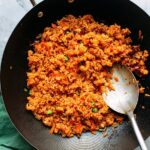
Kimchi Fried Rice Recipe
- Prep Time: 10 minutes
- Cook Time: 15 minutes
- Total Time: 25 minutes
- Yield: 2 servings
- Category: Main Course
- Method: Stovetop
- Cuisine: Korean
- Diet: Vegan
Description
A flavorful and spicy Kimchi Fried Rice recipe that combines sautéed vegetables, kimchi, and cooked rice, tossed in a tangy gochujang sauce. Perfect for a quick and satisfying vegan meal using simple ingredients and day-old rice for optimal texture.
Ingredients
Main Ingredients
- 2 tablespoon oil
- 2 cloves garlic minced
- ¼ cup chopped green onions
- 3-4 cremini mushrooms finely diced
- 1 small carrot finely diced
- 1 cup kimchi chopped
- ½ cup chopped vegan sausages (optional)
- 2 cups cooked white rice
Sauce
- 3 tablespoon kimchi brine
- 1 tablespoon gochujang
- 1 teaspoon sugar
- 1 teaspoon toasted sesame oil
- 1 teaspoon toasted sesame seeds
Instructions
- Prepare the sauce: In a small bowl, combine the kimchi brine, gochujang paste, sugar, toasted sesame oil, and sesame seeds. Set aside.
- Sauté the aromatics: Heat 2 tablespoons of oil in a wok or non-stick pan over medium heat. Add garlic and green onions, sauté for 2-3 minutes while stirring regularly.
- Add the diced veggies: Turn heat to high and add the carrots and mushrooms. Cook for 2-3 minutes until carrots are almost cooked but still slightly crunchy.
- Add the kimchi and rice: Stir in the chopped kimchi and vegan sausages if using, cook for 2 more minutes. Then add cooked rice and mix well with the vegetables.
- Pour in the sauce: Add the prepared gochujang sauce and toss to combine everything evenly.
- Stir-fry: Continue sautéing the rice for 3-5 minutes or until the rice absorbs the sauce; optionally let it char slightly for extra flavor.
- Serve: Garnish with extra green onions and a sprinkle of sesame seeds before serving.
Notes
- Use day-old rice for the best texture, as freshly cooked rice can be too moist.
- Cook with high heat for a slightly charred, crispy texture in a wok or non-stick pan.
- Do not overcook vegetables; 2-3 minutes is enough to keep them slightly crunchy.
- Frozen diced vegetables can be used to save time.
- Adjust the spiciness by reducing or omitting gochujang; adjust salt accordingly.
- Adding a pinch of MSG or mushroom seasoning can enhance the flavor, making it even better than takeout.
Nutrition
- Serving Size: 1 serving
- Calories: 350 kcal
- Sugar: 5 g
- Sodium: 600 mg
- Fat: 15 g
- Saturated Fat: 2 g
- Unsaturated Fat: 12 g
- Trans Fat: 0 g
- Carbohydrates: 45 g
- Fiber: 4 g
- Protein: 8 g
- Cholesterol: 0 mg





Leave a Reply