
There’s something truly charming about a cheesecake that's light and creamy but still rich in flavor. This Ricotta Cheesecake Recipe blends creamy ricotta and smooth cream cheese with a hint of orange zest for a dessert that’s both comforting and sophisticated — trust me, it’s worth every minute it takes to make.

Jump to:
Why You'll Love This Recipe
This ricotta cheesecake recipe has won over my heart (and my friends’ palates!) because it’s just different enough from your typical cheesecake, offering a lighter texture without sacrificing creaminess. Trust me, once you try it, you’ll find it’s a fantastic dessert for any season.
- Unique Creaminess: The combination of ricotta and cream cheese creates a luscious texture that’s lighter but still indulgent.
- Bright Citrus Flavor: Fresh orange zest adds freshness that balances the richness beautifully.
- Water Bath Baking: The water bath method helps prevent cracks and gives the cheesecake that perfect silky finish you've always wanted.
- Versatile Topping: A delicate whipped ricotta topping lets you customize with fresh berries or chocolate for lovely presentation.
Ingredients & Why They Work
Each ingredient here plays its part in making the perfect ricotta cheesecake. I always say, understanding what you’re working with makes the process less intimidating and the results far better.
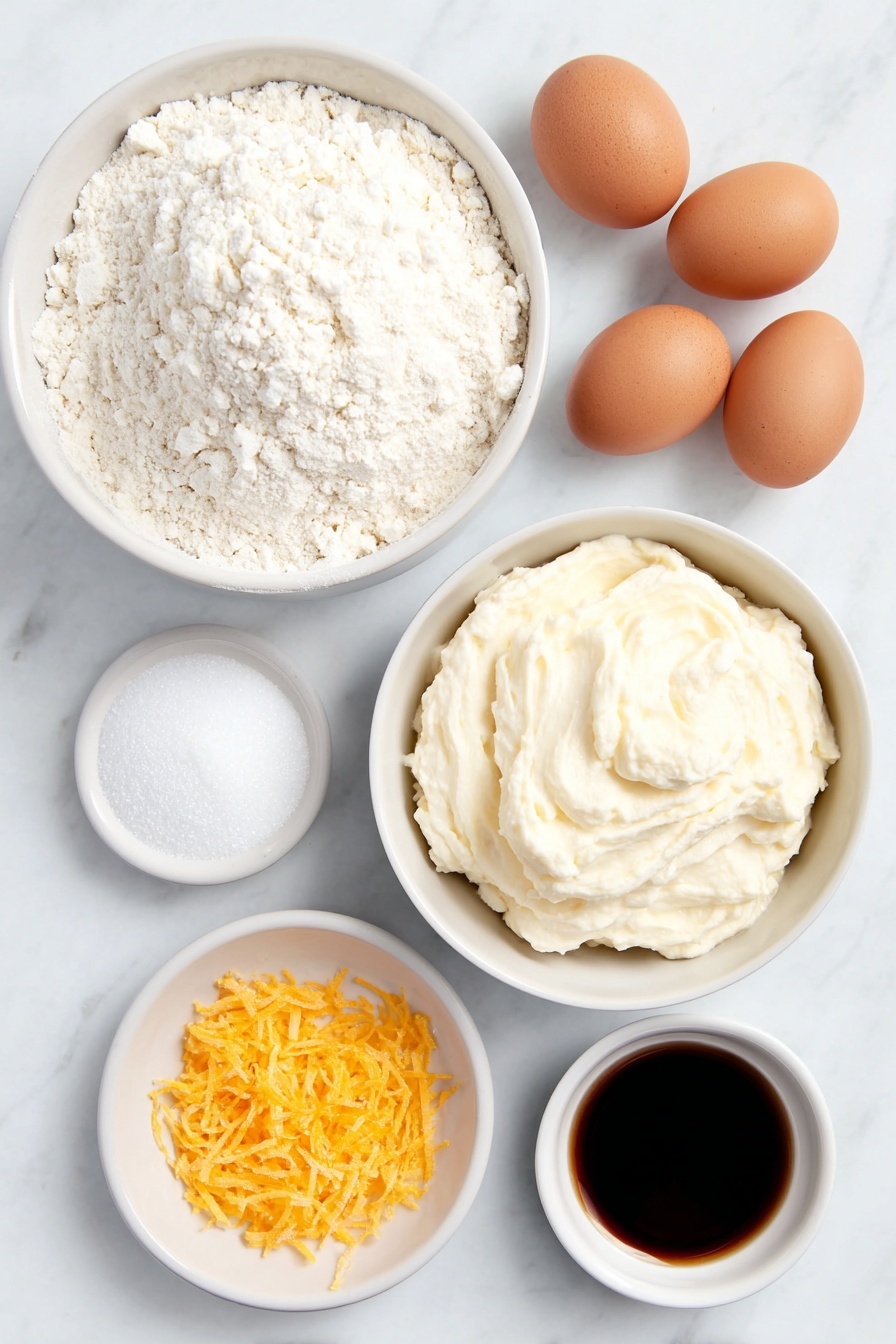
- Ricotta Cheese: Draining the ricotta is key — it ensures your cheesecake won’t be watery and keeps the texture beautifully creamy and rich.
- Cream Cheese: Gives the traditional cheesecake tang and stability to the filling so it sets just right.
- Granulated Sugar: Balances the tanginess and adds necessary sweetness without overpowering the flavor.
- Flour: Adds a little structure to the batter helping it set firm but tender.
- Eggs: These bind the mixture gently — adding them one at a time helps avoid overmixing which can lead to cracks.
- Vanilla Extract or Vanilla Bean Paste: A classic flavor enhancer that complements the ricotta’s subtle nuances.
- Orange Zest: Adds a lovely freshness that elevates the cheesecake beyond ordinary.
- Salt: Enhances all the other flavors, keeping the sweetness balanced.
- Graham Cracker Crust: The buttery, slightly crunchy crust contrasts perfectly with the creamy filling.
- Powdered Sugar (for topping): Lightly sweetens the whipped ricotta topping, making it silky smooth on the palate.
Make It Your Way
I love tweaking this Ricotta Cheesecake Recipe depending on the season or occasion — it’s so forgiving and adaptable! Don’t be afraid to get creative in your own kitchen.
- Berry Swirl: Once, I swirled in a raspberry puree before baking - it gave such a pretty marbled effect and a fresh burst of flavor.
- Nutty Crust: Sometimes I swap the graham cracker crust for an almond or pistachio-based crust for extra crunch and flavor.
- Citrus Variations: Try lemon or lime zest instead of orange for a different summery twist.
- Dairy-Free Option: Using a good-quality plant-based ricotta substitute can work, although it’ll change the texture slightly.
Step-by-Step: How I Make Ricotta Cheesecake Recipe
Step 1: Drain Your Ricotta Like a Pro
This is the secret to a firm, non-watery cheesecake. I usually line a fine mesh sieve with cheesecloth, add my ricotta, then fold the cloth over and weigh it down with a small bowl of water. Leaving it to drain for a few hours, or overnight if I remember, makes all the difference — it concentrates the flavor and texture beautifully.
Step 2: Prepare the Graham Cracker Crust
I usually press the graham cracker crumbs mixed with melted butter into the bottom of a springform pan and bake it briefly to set. This gives the crust a lovely crunch that complements the creamy filling.
Step 3: Whip Up the Cheesecake Batter
Start by beating the softened cream cheese until creamy — this step helps avoid lumps. Then add sugar and mix again until smooth. Next, blend in the drained ricotta, flour, and one egg at a time. Don’t rush adding eggs; mixing too fast or over-beating can cause cracks later. Finally, add vanilla, salt, and the star ingredient — fresh orange zest — then blend just until combined.
Step 4: Bake in a Water Bath
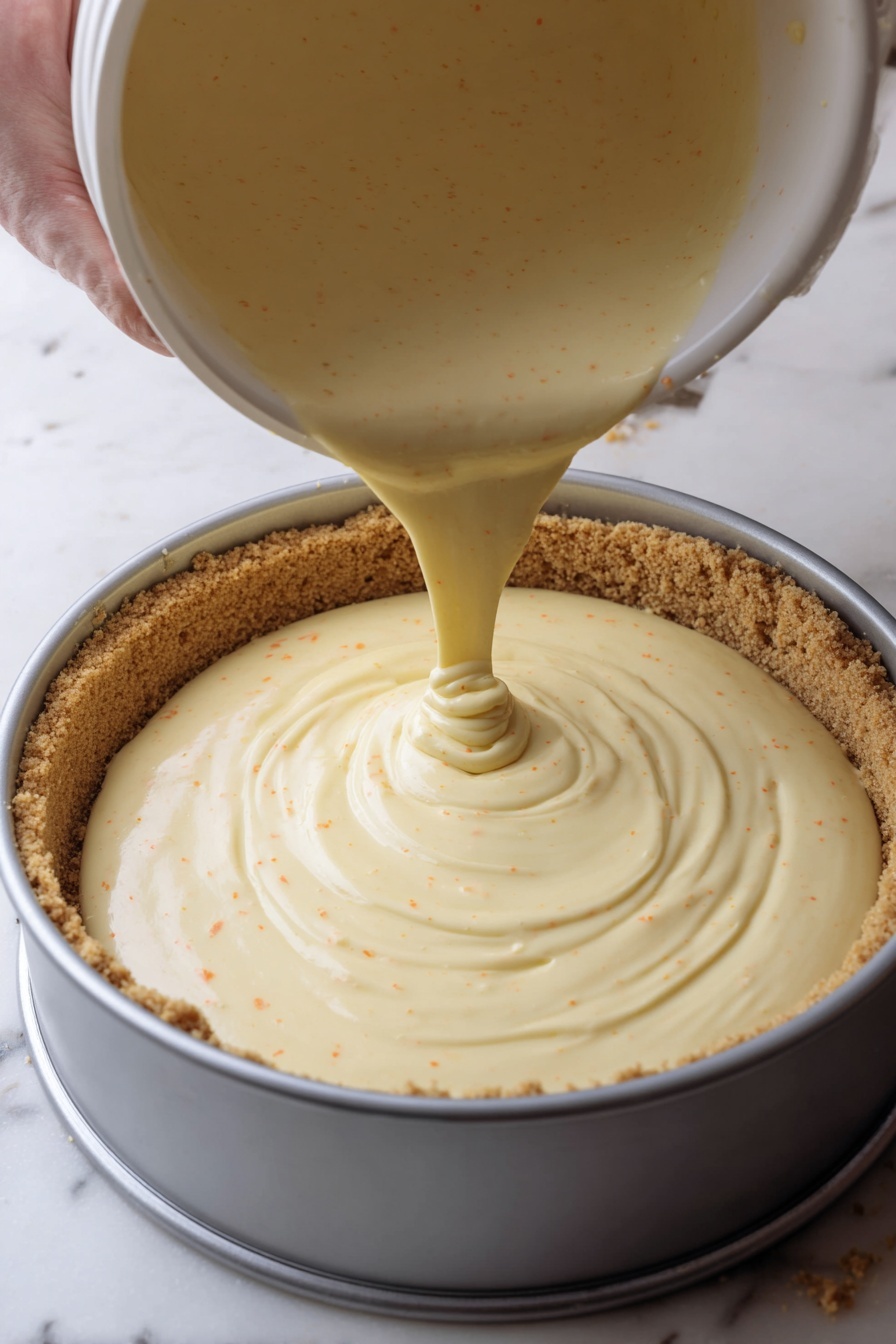
Pour your batter over the cooled crust, then wrap the bottom of your pan with foil and place it into a larger pan filled with hot water. This water bath gently bakes your cheesecake, preventing cracks and keeping it silky smooth. Bake at 325ºF for about 60-75 minutes; the center should still jiggle slightly when you gently shake the pan.
Step 5: Cool and Chill
Turn off your oven and leave the cheesecake inside for an hour — this gradual cooling prevents cracks on top. Then, after removing from the oven, let it cool completely before chilling it in the fridge for at least 6 hours. Patience here really pays off in flavor and texture.
Step 6: Prepare and Add the Ricotta Topping
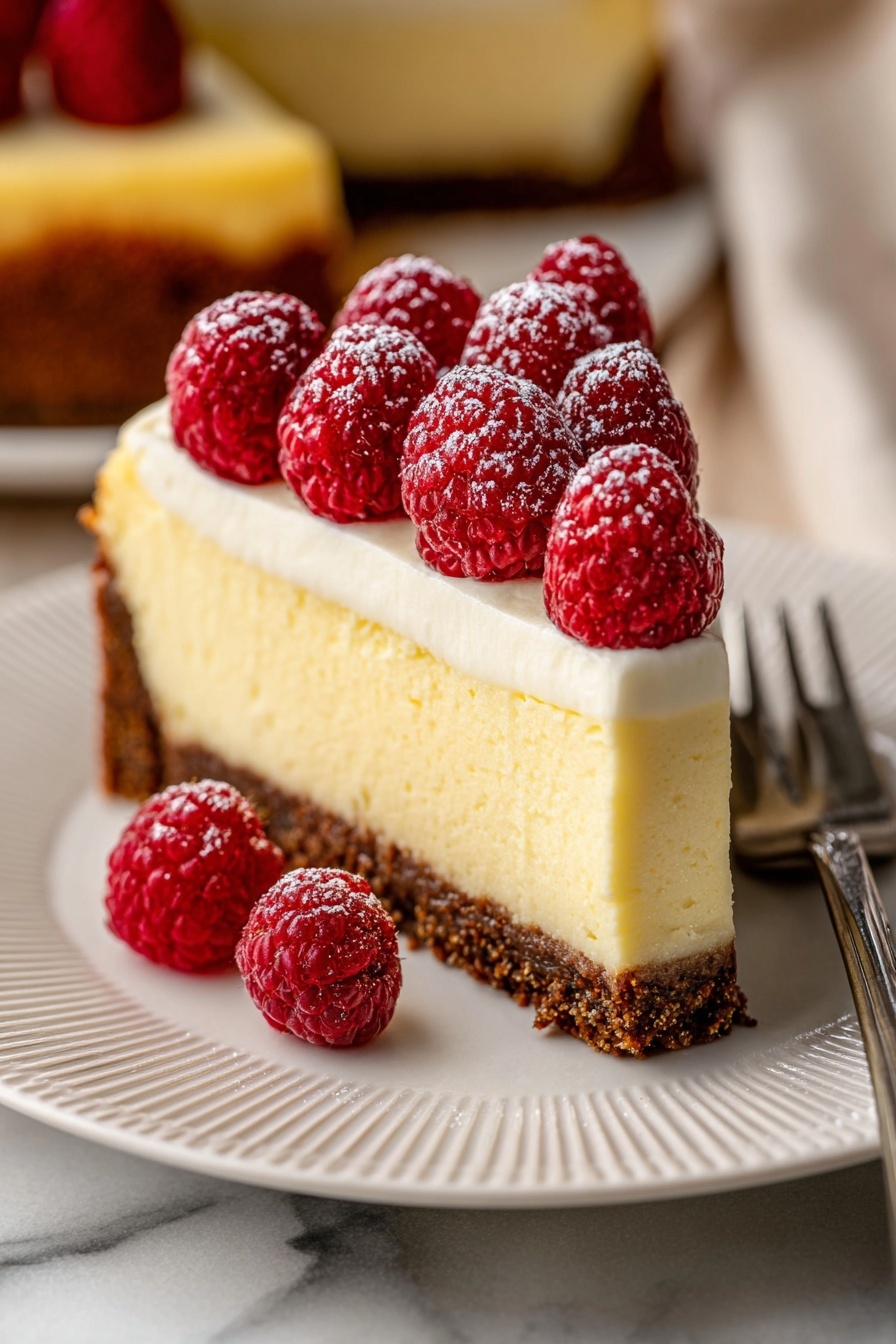
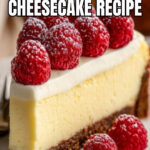
Whip the reserved drained ricotta with powdered sugar and vanilla until smooth. Spread this silken topping over the chilled cheesecake, then decorate as you like — I adore fresh raspberries and a light dusting of cocoa powder.
Top Tip
From my experience, these little tips have elevated my ricotta cheesecake from good to outstanding every time I make it:
- Drain Well: Don’t skip draining the ricotta thoroughly — watery filling is the most common pitfall I see, and this step prevents it fully.
- Gentle Mixing After Eggs: Once you add eggs, mix just enough to combine. Overmixing develops gluten and causes cracking, something I had to learn the hard way!
- Water Bath Is Essential: Wrapping your pan and baking it in a water bath keeps moisture in and temperature stable, giving you that perfect no-crack finish.
- Cooling Slowly: Leaving the cheesecake in the oven after baking for an hour prevents sudden temperature changes. I never skip this step now.
How to Serve Ricotta Cheesecake Recipe
Garnishes
I usually top mine with fresh raspberries and a few thin orange zest ribbons because they echo the flavors inside beautifully. But sometimes I like to sprinkle mini chocolate chips or even a drizzle of honey — it all depends on my mood!
Side Dishes
This dessert pairs wonderfully with a light fruit salad or delicate herbal tea on the side. For a rich celebratory touch, I serve it with a glass of slightly sweet Moscato or Prosecco.
Creative Ways to Present
For special occasions, I’ve sometimes served individual mini cheesecakes in mason jars topped with seasonal fruits. It makes for a charming presentation and perfect portion control!
Make Ahead and Storage
Storing Leftovers
I always store leftover ricotta cheesecake in an airtight container in the fridge — it stays fresh and creamy for up to 4 or 5 days. If you have more, it’s handy to slice it first so you can grab just the amount you want.
Freezing
Freezing this cheesecake works surprisingly well. After chilling fully, I wrap it tightly in plastic wrap and then foil, or place slices individually into airtight containers. It keeps well for up to 2 months — just thaw overnight in the fridge before serving.
Reheating
I find you don’t really need to reheat cheesecake — it’s best served chilled. But if you want to bring it closer to room temperature, just leave it out for about 30 minutes before cutting into it for a perfect forkful of creamy texture.
Frequently Asked Questions:
Yes, draining the ricotta is essential to remove excess moisture. This step prevents a watery cheesecake and ensures a firm, creamy texture. I usually strain it for at least two hours, but overnight is even better.
Store-bought ricotta works perfectly fine as long as you drain it well. Homemade ricotta tends to be creamier and less watery, giving the cheesecake an extra silky finish, but both options yield delicious results.
Avoid overmixing after adding eggs, bake the cheesecake in a water bath, and don’t rush the cooling process. Leaving the cheesecake in the turned-off oven for an hour after baking also helps prevent cracks.
Absolutely! In fact, the cheesecake tastes better after it’s had a good chill — at least 6 hours or overnight. You can also prepare the crust and batter a day before and bake when ready.
Final Thoughts
This Ricotta Cheesecake Recipe has become my go-to when I want to impress without stress. It’s forgiving, delicious, and offers a refreshing change from traditional cheesecake — all while making you feel like you’ve truly nailed a classic dessert. I think you’ll love how this one turns out, so go ahead and give it a try. Your kitchen (and your taste buds) will thank you!
Print
Ricotta Cheesecake Recipe
- Prep Time: 25 minutes
- Cook Time: 1 hour 15 minutes
- Total Time: 7 hours 40 minutes
- Yield: 12 servings
- Category: Dessert
- Method: Baking
- Cuisine: Italian
- Diet: Vegetarian
Description
A creamy and luscious Ricotta Cheesecake featuring a graham cracker crust, a smooth cheesecake batter enriched with orange zest, and a delicate ricotta topping. Perfectly baked in a water bath to ensure a crack-free, silky texture.
Ingredients
Ricotta Cheese
- 2½ cups ricotta cheese (625 grams), store-bought or homemade, drained
Graham Cracker Crust
- Prepare graham cracker crust as per the referenced recipe
Cheesecake Batter
- 226 grams cream cheese, softened (1 package of 8 oz)
- 1¼ cup granulated sugar (250 grams)
- 2 cups drained ricotta cheese (from above)
- ¼ cup all-purpose flour
- 4 large eggs, room temperature
- ½ tablespoon vanilla extract or vanilla bean paste
- ½ teaspoon salt
- 2 tablespoon orange zest
Ricotta Topping
- ½ cup drained ricotta cheese (from above)
- 2 tablespoon powdered sugar
- ½ teaspoon vanilla extract
Instructions
- Drain the Ricotta: Weigh and place ricotta in a cheesecloth-lined fine mesh sieve. Fold the cloth over and place a plate with a heavy object on top to strain water. Let it drain for at least 2 hours or overnight in the fridge to achieve the right consistency.
- Prepare Graham Cracker Crust: Make the graham cracker crust according to the referenced instructions and bake it. Let the crust cool completely before assembling the cheesecake batter.
- Prepare Cheesecake Batter: Grease the exposed sides of the cheesecake pan. Beat the softened cream cheese with a mixer at medium speed for 2 minutes until creamy. Add granulated sugar and beat for 1 minute more, scraping the sides as needed. Incorporate the drained ricotta and beat for an additional minute, scraping the bowl again and beating for 30 seconds more. Mix in flour until combined.
- Add Eggs and Flavorings: Add eggs one at a time, mixing until each is incorporated but avoiding overmixing to prevent cracks. Add vanilla extract (or bean paste), salt, and orange zest and mix briefly to combine.
- Assemble and Prepare for Baking: Pour the cheesecake batter over the baked and cooled crust. Wrap the bottom of the pan with several layers of foil and place it inside a larger roasting pan. Add hot water into the roasting pan to create a water bath, which prevents cracking during baking.
- Bake the Cheesecake: Preheat oven to 325ºF. Bake cheesecake for 75 minutes until the center jiggles slightly and the edges look set. Turn off the oven and leave the cheesecake inside for 1 hour without opening the door.
- Cool and Chill: Remove cheesecake from the oven and let it cool to room temperature without removing the pan ring. Refrigerate for at least 6 hours or overnight to set fully.
- Prepare Ricotta Topping: Whip the remaining ricotta with powdered sugar and vanilla extract just until creamy and incorporated.
- Decorate and Serve: Remove the cheesecake ring, spread the ricotta topping evenly over the cheesecake, and decorate with your choice of raspberries, strawberries, chocolate chips, or other toppings. Slice and serve chilled.
Notes
- Storage: Keep cheesecake covered in an airtight container in the fridge for up to 4-5 days. For freezing, store in an airtight container for up to 2 months. For longer freezing longevity, freeze first, then wrap tightly with plastic wrap before placing in a container.
- Oven Temperature: If using a convection oven, reduce baking temperature to 300ºF and adjust baking time accordingly until center jiggles slightly and edges set.
- Oven Thermometer: Use an oven thermometer to ensure accurate temperature, preventing underbaking or cracking due to temperature fluctuations.
- Do not overmix after adding eggs to avoid cracks in the cheesecake.
- The water bath is essential to keep the cheesecake moist and crack-free during baking.
- Allow ricotta to drain well to avoid watery batter and topping.
Nutrition
- Serving Size: 1 slice (1/12 of cake)
- Calories: 320 kcal
- Sugar: 20 g
- Sodium: 180 mg
- Fat: 22 g
- Saturated Fat: 13 g
- Unsaturated Fat: 7 g
- Trans Fat: 0 g
- Carbohydrates: 22 g
- Fiber: 1 g
- Protein: 10 g
- Cholesterol: 110 mg



Leave a Reply